Women and Children’s Services
Women and Children’s Services (WCS) is focused on caring for families. This includes:
- Families with moms who are pregnant and need care before, during and after they have given birth
- Families with newborn babies who need routine or specialized care
- Families with children who require pediatric care
We understand that each family has its own priorities and wellness concerns and want you to know that our WCS family is here to serve your family with understanding and compassion.
We encourage you to visit the services highlighted on this page for more details about the family-focused care that we provide.
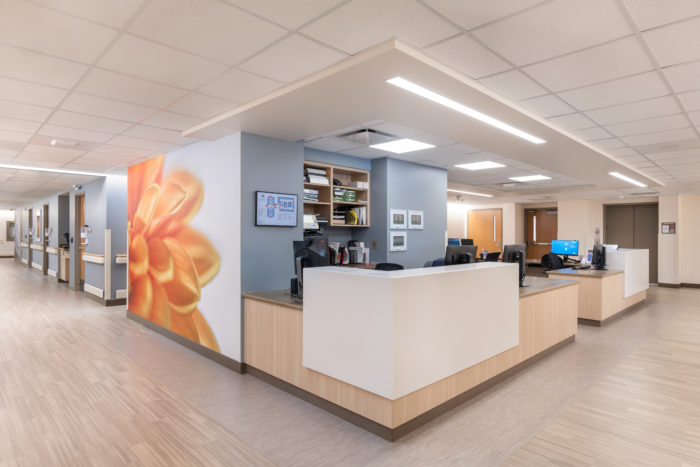
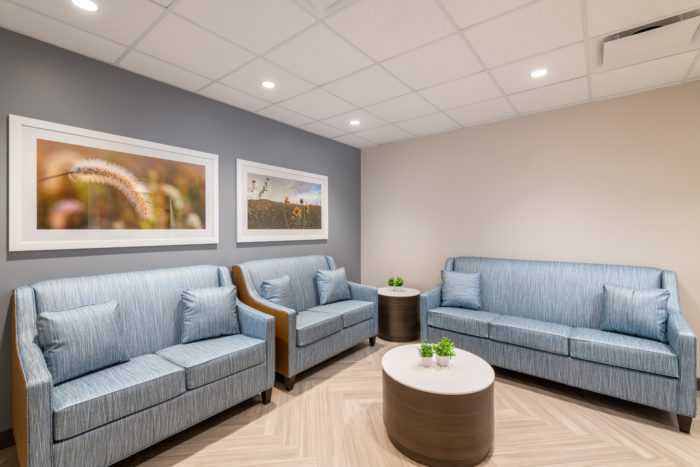
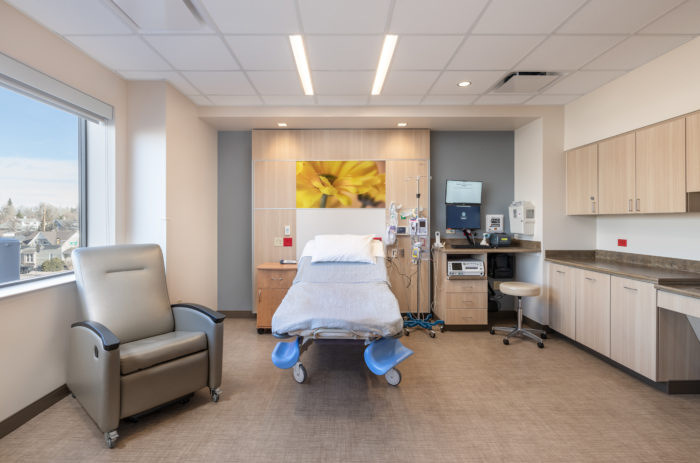
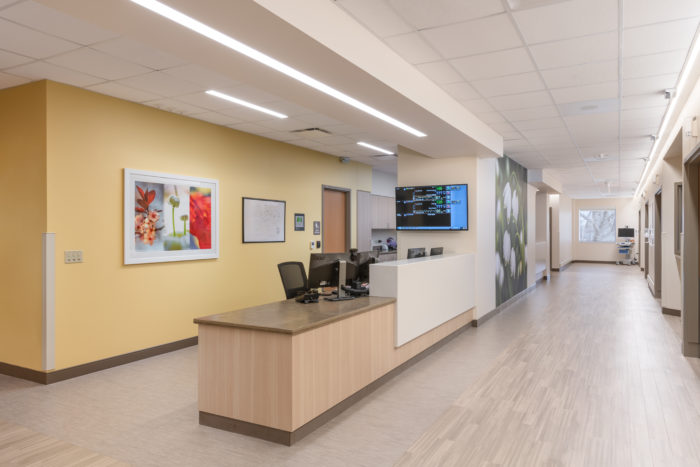
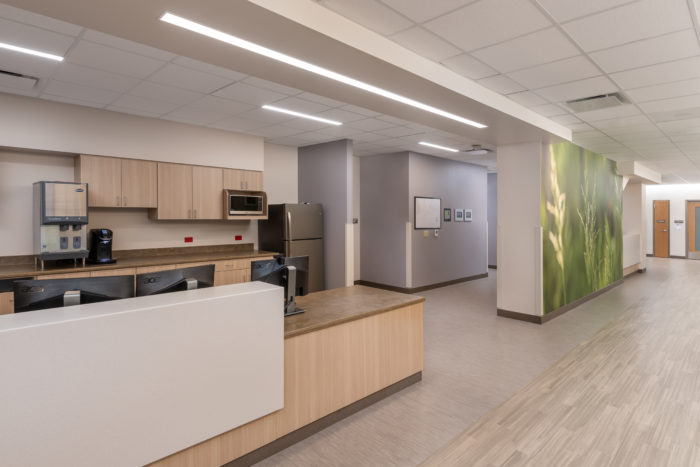
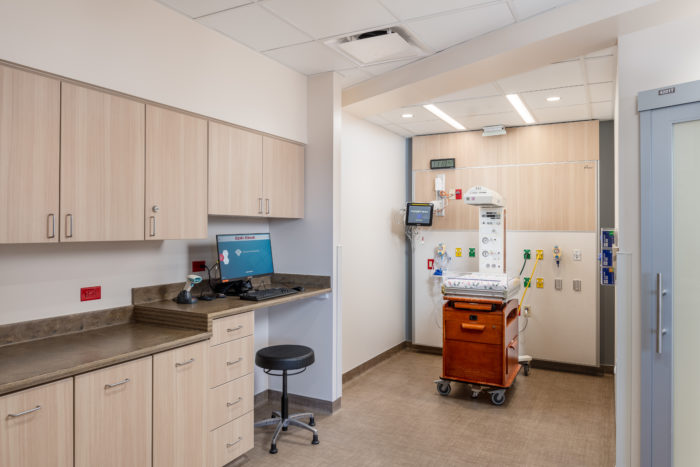
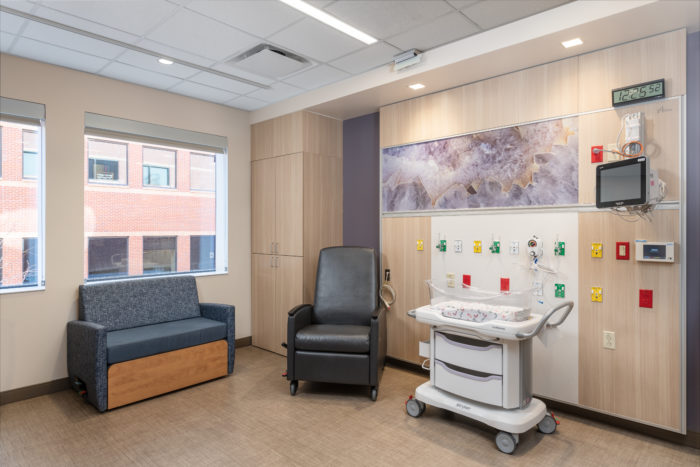
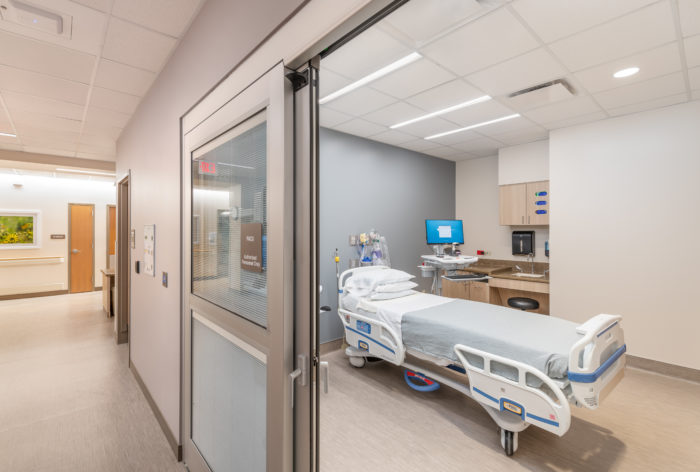
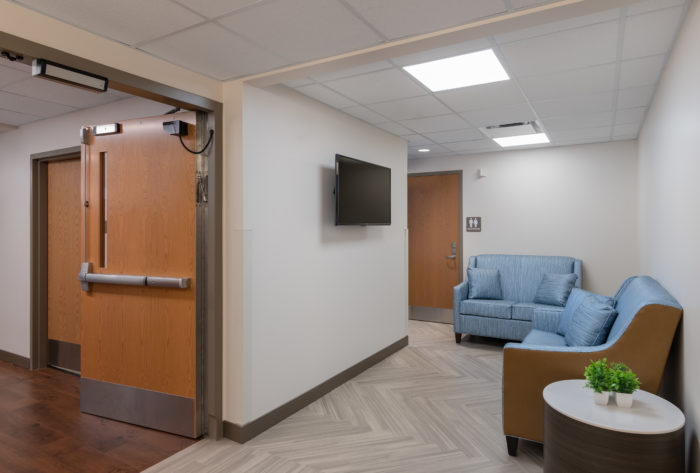
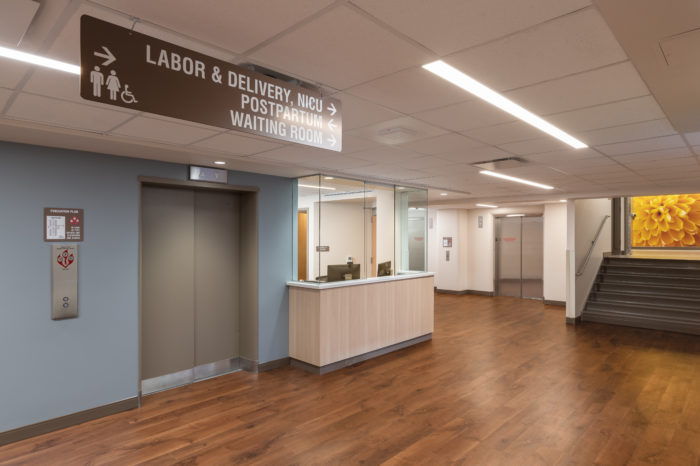
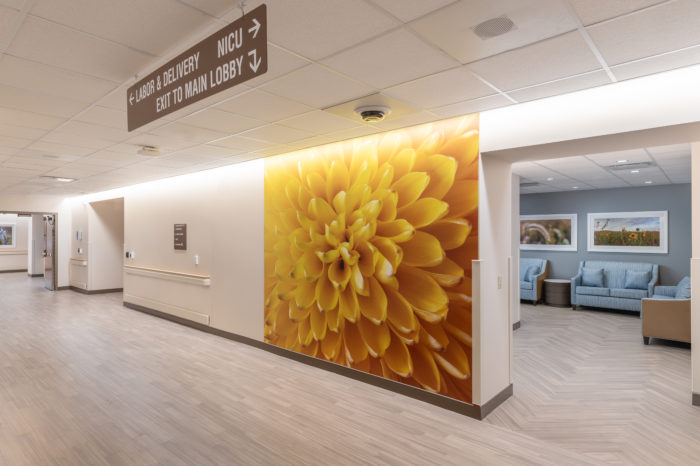
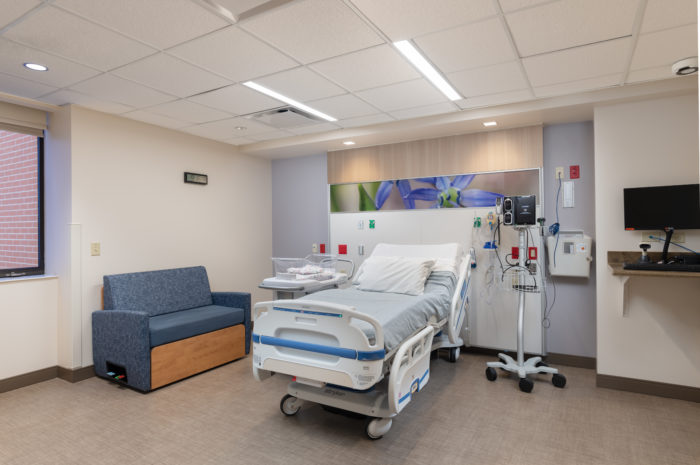
Cheyenne Regional Medical Center welcomes about 1,000 babies each year in a recently renovated, comfortable and inviting space designed for growing families. The area features spacious labor, delivery and postpartum rooms with private bathrooms, NICU rooms that can accommodate twins, state-of-the-art technology and a range of thoughtful advancements to support parents and newborns.
We offer modern care in a serene environment for expecting parents seeking a personalized birthing experience, including:
- A private birthing suite designed to create a home-like atmosphere
- Advanced technology for monitoring and ensuring well-being of both mother and baby
- Collaborative care approach involving obstetricians, family practice providers and nursing and support staff
- Skin-to-skin contact (SSC) for mother and baby immediately following delivery to promote bonding
Pain Management Options
At CRMC, your comfort and safety are our priority. We take thoughtful steps to provide the personalized care, support and comfort you and your baby deserve throughout your birth experience.
Nitrous Oxide
Nitrous oxide is a pain relief option you can use during labor to help take the edge off contractions.
You may know it as “laughing gas,” but during childbirth it is used in a controlled way through a small mask that you hold yourself. When a contraction starts, you breathe the nitrous oxide in through the mask. It works quickly and you can stop using it whenever you want.
Nitrous oxide does not usually take the pain away completely, but many moms say it helps them feel calmer, more relaxed and more in control. It can make contractions feel more manageable, especially if you want a pain relief option that is flexible and does not require an epidural right away.
Anesthesia
Anesthesia during labor and delivery is a way to help manage pain and keep you as comfortable and safe as possible.
The most common type used during labor is an epidural. With an epidural, medication is given through a small tube placed in your lower back. It helps numb the lower part of your body so contractions feel much less painful. You are still awake and able to be part of your baby’s birth, but you may feel pressure rather than strong pain.
There are also other types of anesthesia that may be used depending on your needs. For example, if you need a cesarean section, anesthesia can help numb your body so you do not feel pain during surgery while staying awake for the birth. In some urgent situations, general anesthesia may be used, which means you are asleep during the procedure.
Your anesthesia team will talk with you about your options, answer your questions and help choose the safest approach for you and your baby.
Additional services provided by the Wyoming Institute of Population Health for Laramie County residents
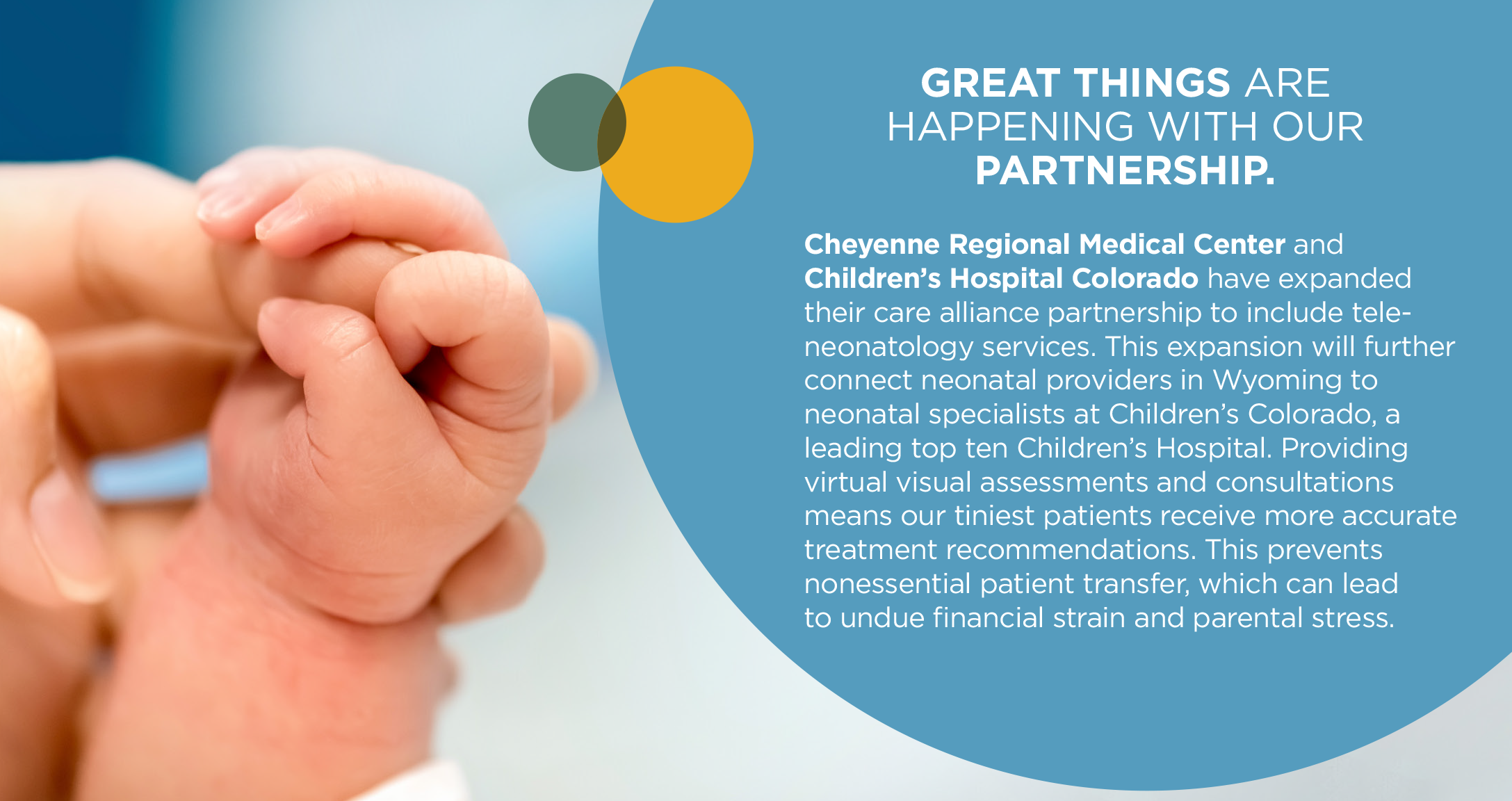
Cheyenne Regional and Children’s Hospital
– A Newborn Care Alliance, Close to Home