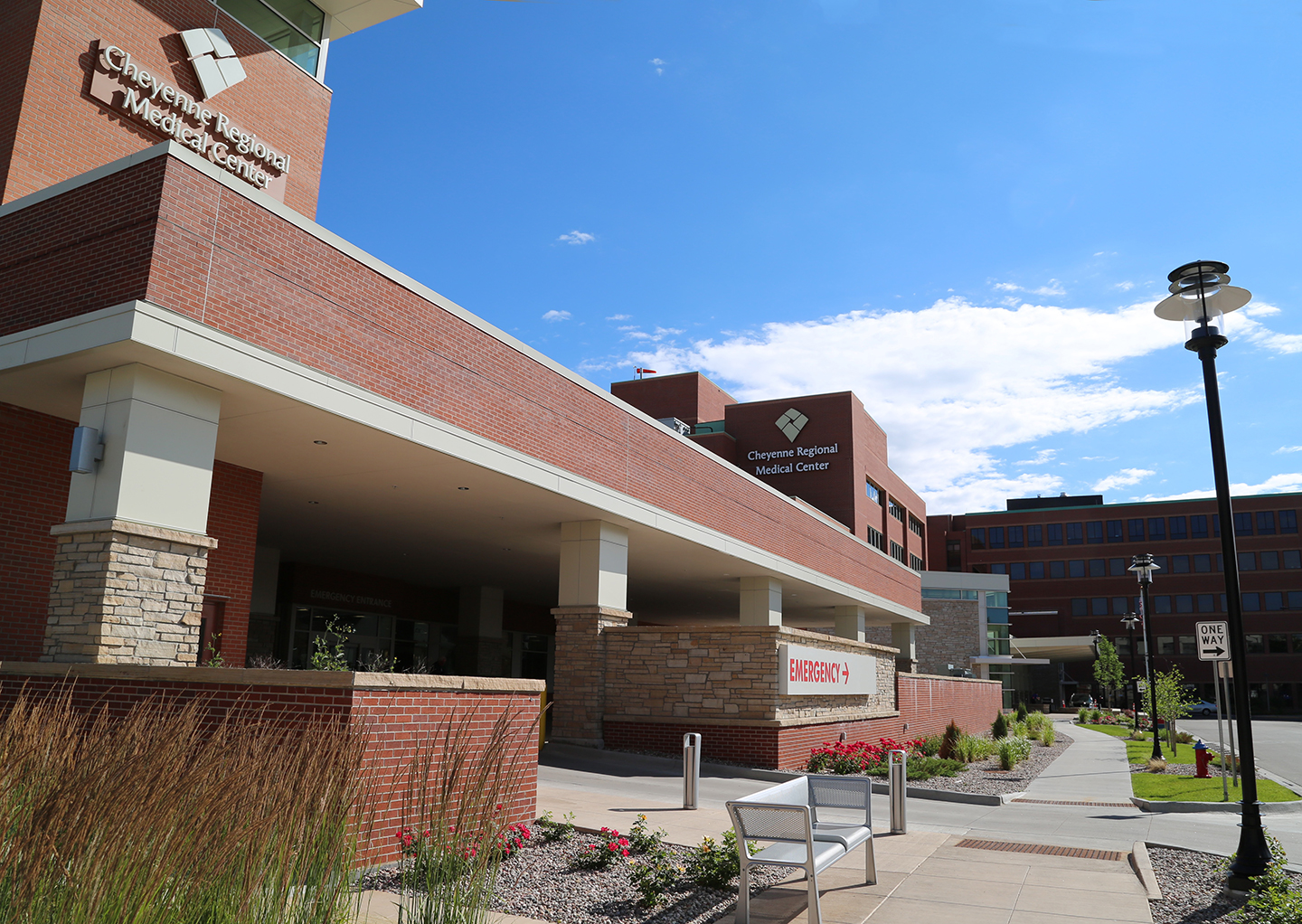
About Us
At Cheyenne Regional, we believe the responsibility for health is bigger than one person.
When you trust our family to care for your family, our passionate physicians, nurses and staff will be here to encourage you throughout the healing process—with confidence, compassion and a personal touch.
We know our region better than any other healthcare system, and we’re committed to providing you with the exceptional care you seek and deserve.
Our comprehensive line of healthcare services includes Heart and Vascular, Cancer, Orthopedics, Neurosciences, Women and Children’s Services, Trauma, Wound Management and Hyperbaric Medicine, Rehabilitation, Home Care, Hospice, Behavioral Health, Medical Imaging, Lab Services and more.
Our Mission
We inspire great health!
Putting service before self, our family cares for your family with compassion, experience and innovation.
We inspire great health!
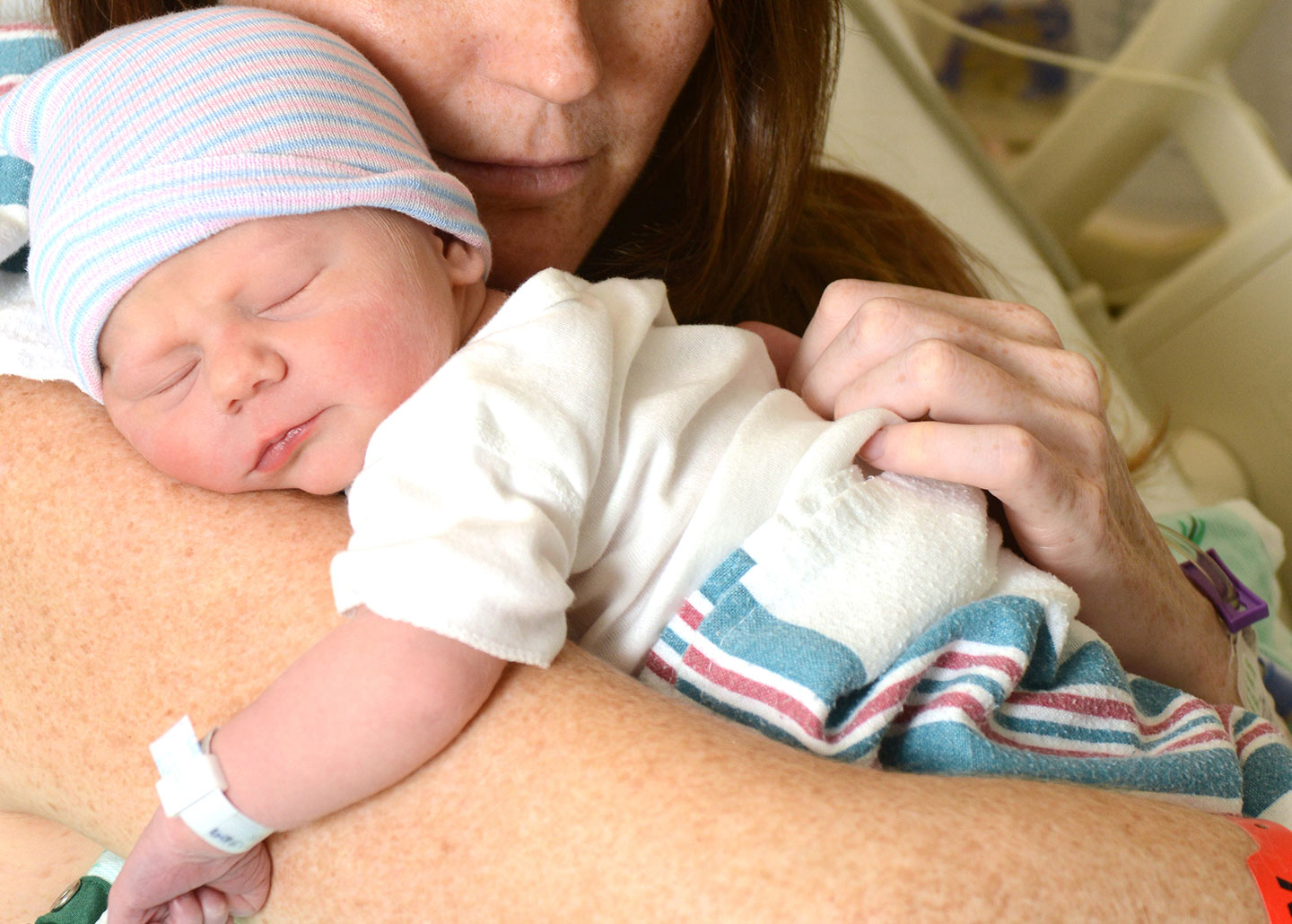

Our Vision
To provide the most trusted healthcare with an inspired personal touch. Putting service before self, our family cares for your family with compassion, experience and innovation.
Our Values
Respect
Integrity
Compassion
Caring
Teamwork
Excellence
Service

Cheyenne Regional Facts
At Cheyenne Regional, you’ll find more than 2,000 employees, 200+ volunteers, and 170+ active/associate medical staff. Of our 184 licensed beds, there are 120 medical-surgical (including same-day surgery, recovery rooms), 16 pediatric medical-surgical, 19 obstetric, 15 intensive care, 20 physical rehabilitation (ARU), 16 psychiatric care, and 10 surgical suites.
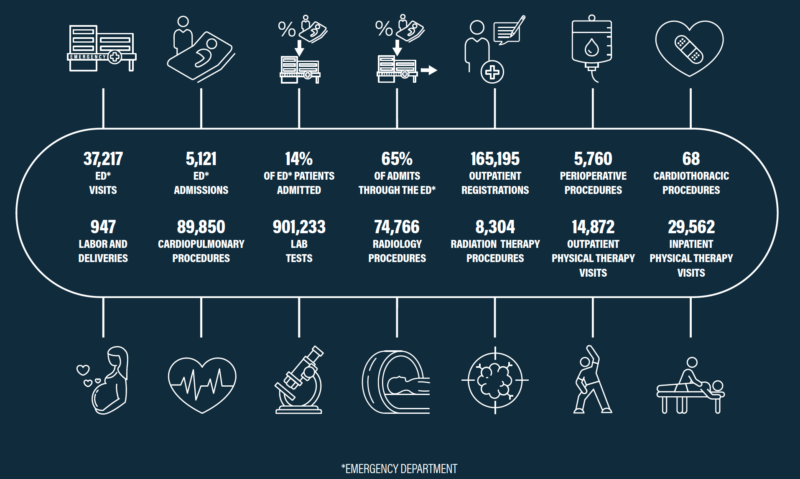
Visits, Admissions, Procedures and Tests – by the Number
(Reporting Period January 1, 2025 – November 30, 2025)
Board & Leadership
Safety Beliefs & Standards of Conduct
History
If you look back at our history, it’s easy to understand why we care so deeply about what we do.
That commitment is woven into the very fabric of Cheyenne Regional—a pioneering spirit of service that dates back to 1867. In that year, Union Pacific Railroad established a frontier “tent” hospital in Cheyenne to care for workers injured while building the transcontinental railroad.
Just one year later, the City of Cheyenne purchased the tent and its supplies for $125, laying the foundation for what would become Cheyenne Regional. In the years that followed, the hospital moved locations, expanded its facilities and evolved to meet the needs of a growing community. In 1883, it found a permanent home at 23rd Street and Evans Avenue, where a new facility welcomed its first patients on December 7.
As Cheyenne grew, so did its hospital. In 1900, a typhoid epidemic prompted the formation of a Hospital Aid Society to fund critical renovations, and the facility was renamed St. John’s Hospital. Continued support from the community and Union Pacific Railroad helped expand services, including care for mothers, families and railroad workers.
In 1920, St. John’s Hospital gave way to Memorial Hospital, marking a new era of modernization and growth. Decades later, the addition of DePaul Hospital in 1952—operated by the Sisters of Charity of Leavenworth—further strengthened healthcare in the region.
In 1992, Memorial Hospital of Laramie County acquired DePaul Hospital, forming United Medical Center. Then in 2006, the organization became what we know today as Cheyenne Regional Medical Center.
Through every chapter—every move, every expansion, every new name—one thing has remained constant: a steadfast commitment to caring for our community.
That pioneering spirit, first sparked in a canvas tent on the frontier, continues to guide us today as we work to meet the evolving health needs of our region with compassion, innovation and excellence.
Photos: Looking Back and Moving Forward
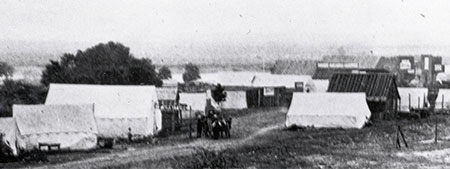
Union Pacific Railroad officials pitched a tent hospital in Cheyenne, 1867
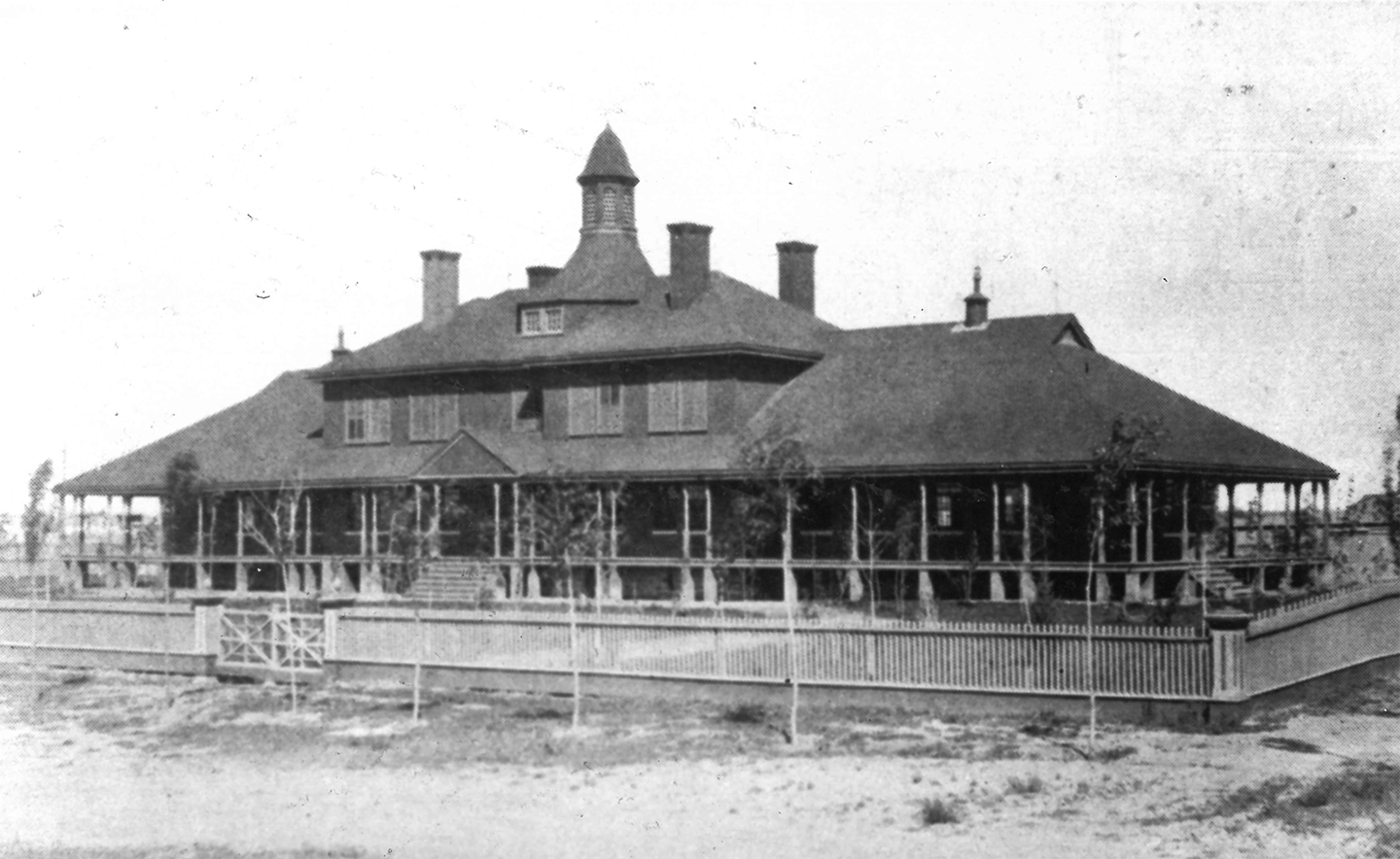
Laramie County Hospital, 1880s.
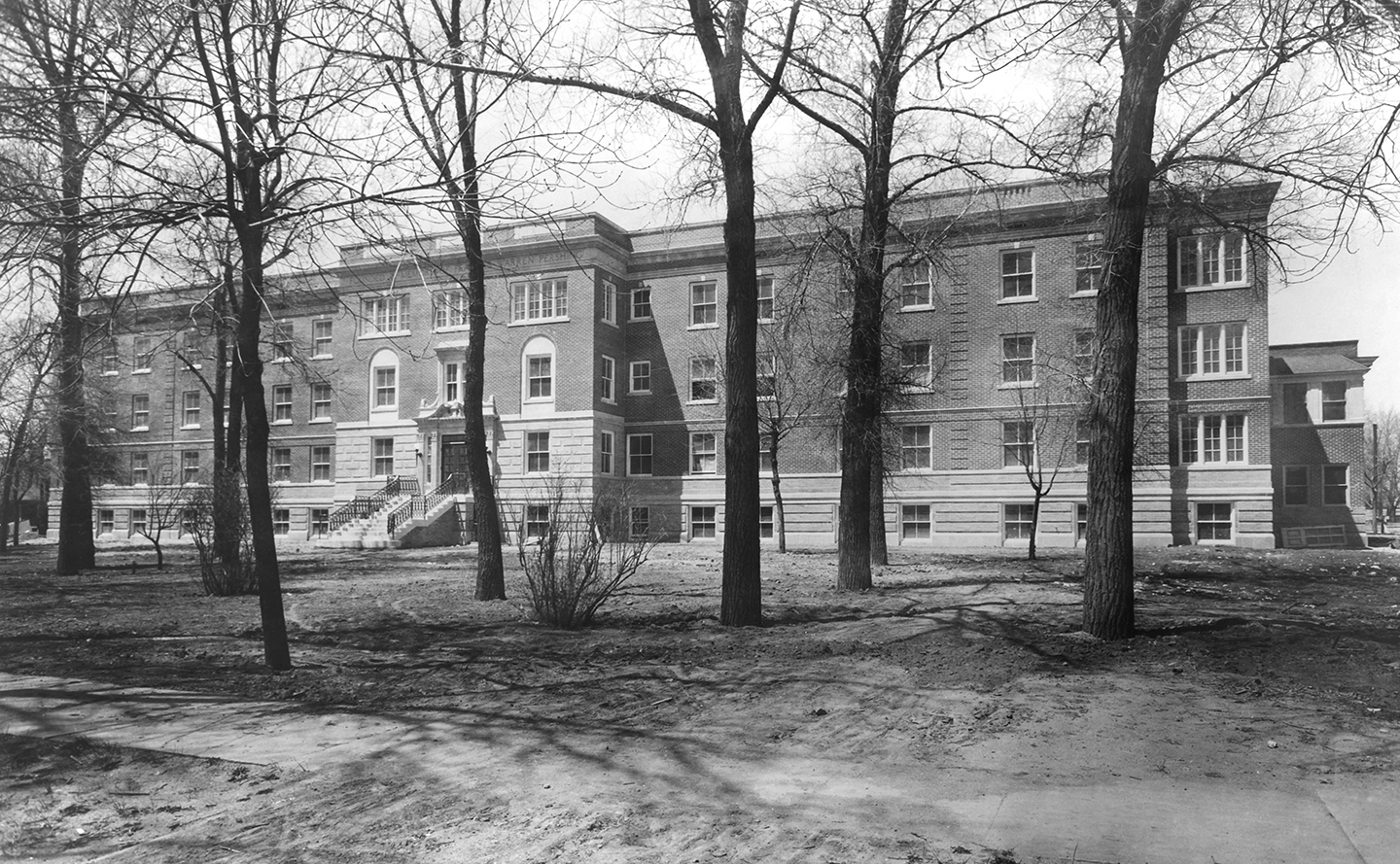
Memorial Hospital, 1920s.